Technology
How to Choose the Right Tech Course or Bootcamp for Your Career Goals
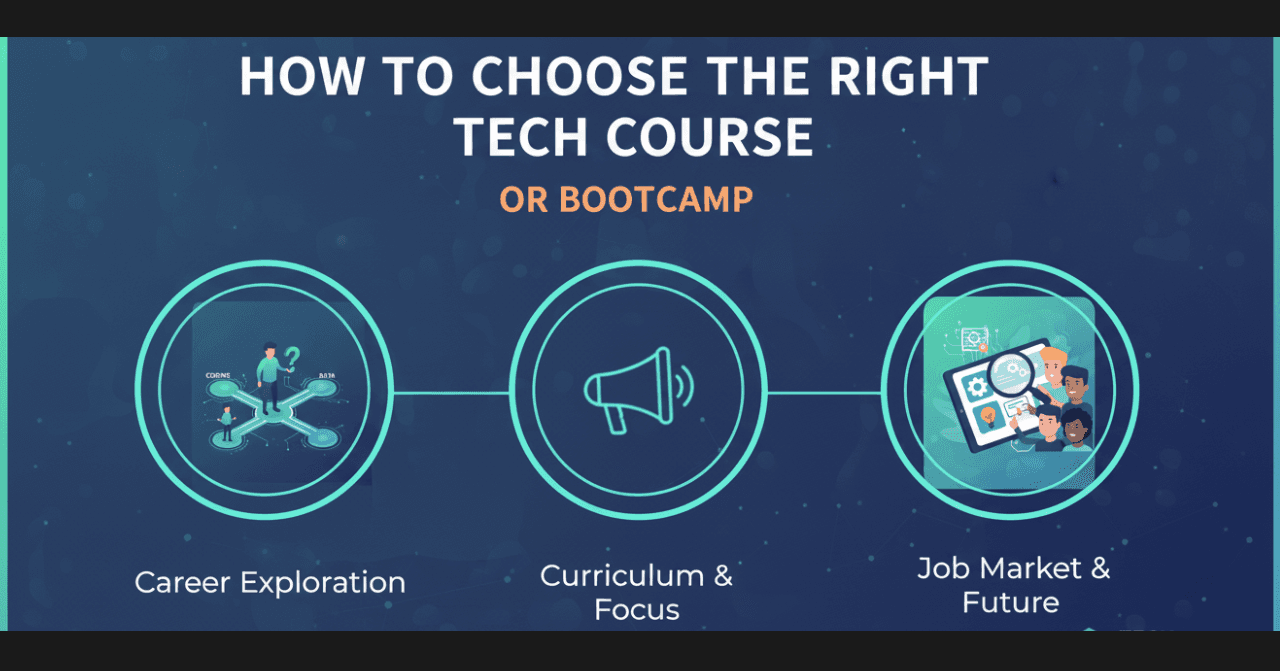
The tech industry is booming, offering a vast array of exciting and well-paying career opportunities. But with so many pathways – from web development and data science to cybersecurity and UX/UI design – figuring out where to start can feel overwhelming. The good news is, whether you're a complete beginner or looking to upskill, there's a tech course or bootcamp out there for you. The key is choosing the right one that aligns with your specific career goals.
Let's break down the essential steps to make an informed decision.
Step 1: Define Your Career Goals and Interests
Before you even look at a single course catalog, ask yourself these crucial questions:
What kind of work excites you? Do you enjoy problem-solving, creating visual designs, analyzing data, or building things from scratch?
What problems do you want to solve? Are you passionate about user experience, safeguarding digital systems, or uncovering insights from large datasets?
What does your ideal day look like? Do you prefer collaborative team work, independent coding, or client-facing roles?
What is your long-term vision? Are you aiming for a specific job title, starting your own tech venture, or transitioning into a leadership role?
Research Different Tech Roles: Spend time understanding common tech roles like:
Software Developer/Engineer: Building applications, websites, and systems.
Data Scientist/Analyst: Extracting insights from data, building predictive models.
UX/UI Designer: Creating intuitive and enjoyable user experiences.
Cybersecurity Analyst: Protecting systems and data from threats.
DevOps Engineer: Bridging development and operations to streamline software delivery.
Build Your Tech Compass:** Once you have a clearer idea of what resonates with you, you've established your "tech compass," guiding you toward relevant fields.
Step 2: Evaluate Course Types and Formats
Tech education comes in various forms, each with its own pros and cons:
Coding Bootcamps:
Pros: Intensive, fast-paced (typically 3-6 months), career-focused, strong industry connections, often include career services.
Cons: High cost, demanding schedule, not ideal for everyone's learning style.
Best for: Rapid career change, immersive learning.
Online Courses (e.g., Coursera, edX, Udemy, Codecademy):
Pros: Flexible, self-paced, affordable (many free options), wide variety of topics, accessible from anywhere.
Cons: Requires strong self-discipline, less personalized support, may lack formal career services.
Best for: Learning specific skills, exploring interests, supplementing other education.
University Programs (Degrees, Certificates):
Pros: Comprehensive, theoretical foundation, recognized credentials, networking opportunities.
Cons: Longer duration (2-4+ years), higher cost, may be less hands-on with current industry tools.
Best for: Deep theoretical understanding, academic research, specific roles requiring formal degrees.
Consider Your Learning Style: Do you thrive in a structured, immersive environment, or do you prefer to learn at your own pace with independent study? Your answer will significantly influence the best format for you.
Step 3: Dive Deep into the Curriculum and Technology Stack
Once you've narrowed down your field and preferred format, scrutinize the curriculum.
Skills Taught: Does the program teach the specific programming languages, frameworks, tools, and methodologies relevant to your target role and the current industry demand? For example, a web development bootcamp should cover languages like Python, JavaScript, HTML, CSS, and frameworks like React or Angular.
Projects: Look for programs that emphasize hands-on projects. A strong portfolio is crucial for showcasing your skills to potential employers.
Instructors: Research the instructors' backgrounds. Do they have real-world industry experience?
Support & Resources: What kind of support is offered? Mentorship, live coding sessions, Q&A forums, access to alumni networks?
Step 4: Investigate Outcomes and Reputation
This is especially critical for bootcamps and intensive programs.
Job Placement Rates: Look for transparency. What percentage of graduates find jobs in their field, and within what timeframe?
Alumni Success Stories: Read testimonials and try to connect with past graduates on LinkedIn. What are they doing now?
Employer Network: Does the program have relationships with hiring companies? Do they host career fairs or introduce students to recruiters?
Reviews and Ratings: Check independent review sites (e.g., Course Report, SwitchUp, Career Karma) for unbiased feedback.
Accreditation/Recognition: While not always necessary for bootcamps, some programs have industry recognition that can be a plus.
Step 5: Consider Logistics and Cost
Finally, evaluate the practical aspects:
Cost: Tech education ranges from free to tens of thousands of dollars. Be realistic about what you can afford.
Financing Options: Do they offer payment plans, loans, scholarships, or Income Share Agreements (ISAs)?
Time Commitment: Can you realistically commit the required hours per week or day?
Location: Is it online, in-person, or hybrid? If in-person, is it feasible for you?
Prerequisites: Do you need any prior experience or knowledge to enroll?
Conclusion: Your Future in Tech Awaits!
Choosing the right tech course or bootcamp is a significant investment in your future. By thoroughly defining your career goals, understanding different learning formats, scrutinizing curricula, and researching outcomes, you can confidently select a program that will equip you with the skills and connections needed to launch or advance your career in the dynamic world of technology.
Don't rush the process. Do your homework, ask lots of questions, and trust your instincts. Your dream tech job is within reach!
Blogs
Related Blogs
From essential skills to technical expertise, we empower your professional growth through real-world experience and guided mentorship.