Business Analysis
What Is Meant by Business Analysis?
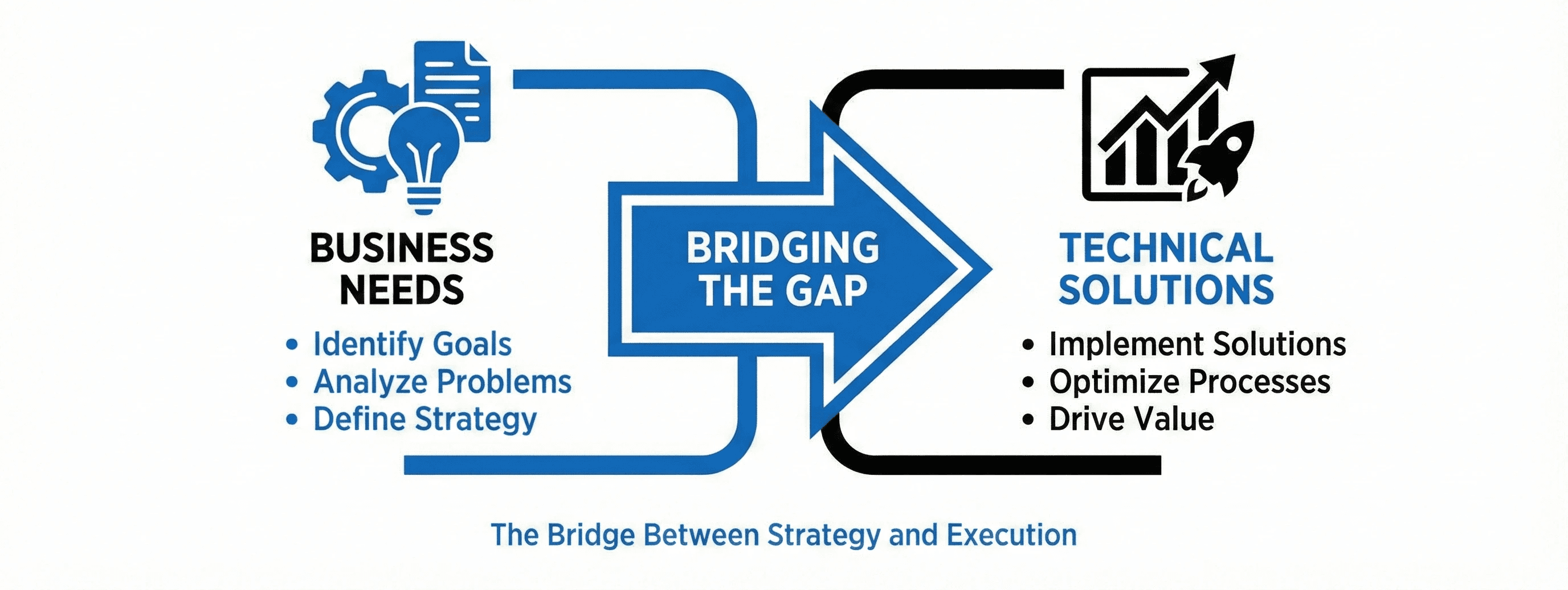
Business analysis has become one of the most in-demand and well-paid career paths in the UK, especially as organisations across all industries face constant digital transformation, changing customer expectations, and increasing competition. Yet despite its popularity, many people still ask one fundamental question:
“What is meant by business analysis?”
If you’re considering a career in business analysis, hiring a Business Analyst (BA), or simply trying to understand how this role drives organisational success, this comprehensive guide breaks it all down — in clear, practical, UK-focused language.
What Is Meant by Business Analysis?
Business analysis is the practice of identifying business needs, investigating problems, and designing solutions that improve processes, systems, and organisational performance.
In simpler terms:
A Business Analyst acts as the bridge between business goals and technical solutions.
They ensure that companies build the right products, improve the right processes, and invest in the right systems — all based on evidence, data, and stakeholder needs.
Business analysis is not just about technology. It is equally about:
Understanding why a business operates the way it does
Identifying improvement opportunities
Creating clarity where there is confusion
Ensuring solutions deliver real value
Whether it’s banking, healthcare, e-commerce, government, or retail — every sector in the UK employs Business Analysts.
Why Is Business Analysis Important in Today’s UK Market?
The UK job market has changed dramatically in the last five years. Organisations now face:
Rising costs
Rapid digitalisation
Increased regulatory requirements
Customer expectations for faster, better digital services
Because of this, businesses must analyse their operations continuously.
This is where Business Analysts help organisations survive and grow.
They bring structure, clarity, and strategic direction to areas where companies might be wasting time, money, or effort.
Core Responsibilities of a Business Analyst
While tasks vary between companies, most Business Analysts perform the following:
1. Identifying Business Problems
BAs investigate issues such as:
Slow processes
Inefficient workflows
Customer complaints
High operational costs
System limitations
They speak to staff, analyse data, and uncover the root cause rather than guessing.
2. Gathering and Documenting Requirements
This is one of the most critical BA responsibilities.
Requirements capture what a business needs from a solution — not just what stakeholders want.
BAs document requirements through:
Workshops
Interviews
Surveys
User stories
Process mapping
Data analysis
The goal?
Ensure everyone is on the same page before anything is built or changed.
3. Analysing and Improving Processes
Many BAs specialise in process mapping and process optimisation, using tools like:
BPMN
Visio
Lucidchart
Miro
They help organisations eliminate waste, reduce steps, and improve the customer experience.
4. Acting as the Link Between Business & Technology
BAs translate business needs into technical language developers understand.
They also help businesses understand what technology can realistically deliver.
This reduces miscommunication and expensive technical mistakes.
5. Supporting Project Delivery
BAs play a vital role in project lifecycles:
Agile
Waterfall
Hybrid
They test solutions, validate requirements, support change management, and ensure successful implementation.
Types of Business Analysts in the UK
Business analysis is a broad profession. Some BAs specialise in:
1. IT Business Analyst
Focuses on software systems, integrations, and digital platforms.
2. Process Analyst
Concentrates on operational processes and efficiency.
3. Data Business Analyst
Uses data insights to support business decisions.
4. Product Analyst / Product BA
Works closely with product managers on digital products and features.
5. Change Analyst
Supports organisational and behavioural change.
Skills Required to Become a Successful BA
Technical Skills
Process mapping
Requirements gathering
SQL basics (optional but useful)
Data interpretation
Knowledge of Agile & Scrum
Understanding of IT systems
Soft Skills
Communication
Problem-solving
Stakeholder management
Critical thinking
Documentation & organisation
Analytical mindset
Is Business Analysis an IT Job?
Not always - but many roles sit close to IT.
In the UK, around 60–70% of Business Analyst roles involve IT projects, simply because most modern improvements involve digital systems.
However, you can absolutely work as a BA in:
HR
Healthcare
Finance
Retail
Operations
Logistics
Government departments
Some BAs never touch complex IT at all.
Business Analysis in the UK:
Career Growth & Salary
While salaries vary, a typical range looks like:
Junior BA: £28,000 – £38,000
Mid-Level BA: £40,000 – £55,000
Senior BA: £55,000 – £75,000
Lead / Principal BA: £70,000 – £90,000
Consultant BA: £400–£700/day (contracting)
This makes business analysis one of the most financially rewarding non-technical roles in the UK.
How Business Analysis Helps Organisations
✔ Reduces operational costs
✔ Improves customer experience
✔ Increases efficiency
✔ Supports decision-making
✔ Ensures successful digital transformation
✔ Aligns teams and reduces confusion
✔ Minimises wasted investment
Without Business Analysts, many digital projects fail or deliver minimal value.
How to Become a Business Analyst in the UK
There is no single route, but the most common steps include:
Learn business analysis fundamentals
Understand process mapping and requirements gathering
Build analytical and communication skills
Take recognised BA training (e.g., BCS Certification)
Gain practical experience (projects, internships, volunteering)
Apply for entry-level BA or Junior BA roles
If you want to explore career opportunities, you can always connect through:
👉 uptrail.co.uk
Additional FAQs
These are the most commonly searched questions online perfect for SEO.
1. What is the main purpose of business analysis?
To identify business needs, solve problems, and design effective solutions that deliver measurable value.
2. Do I need a degree to become a Business Analyst in the UK?
No — many BAs come from non-degree backgrounds. Skills and practical knowledge matter far more.
3. Is business analysis the same as project management?
No.
BAs focus on requirements and solutions, while project managers focus on delivery and timelines.
They often work together.
4. What tools do Business Analysts use?
Common tools include:
Jira
Confluence
Visio
Miro
Trello
Excel
Lucidchart
5. Is business analysis a stressful job?
It can be fast-paced, especially during system changes or major projects, but overall it is considered a balanced and rewarding career.
6. What industries hire Business Analysts in the UK?
Finance, retail, telecom, government, NHS, logistics, insurance, and technology — among many others.
7. Do Business Analysts need coding skills?
No.
However, some basic understanding of systems and data can be helpful.
8. Can a Business Analyst become a Product Manager?
Yes — many Product Managers start as BAs, as both roles involve customer needs, problem-solving, and strategy.
9. How long does it take to become a Business Analyst?
With consistent effort, many people transition into BA roles within 3–9 months, especially with training and portfolio projects.
10. What is the difference between a BA and a Data Analyst?
A Business Analyst focuses on processes, requirements, and solutions.
A Data Analyst focuses on analysing data to drive insights.
Many roles overlap, but they require different technical strengths.
Blogs
Related Blogs
From essential skills to technical expertise, we empower your professional growth through real-world experience and guided mentorship.